
Why Is My Google Ranking Dropping? A Troubleshooting Guide
Is your website traffic tanking? Read “Why Is My Google Ranking Dropping? A Troubleshooting Guide” to identify the root cause, from tracking errors to algorithm updates. Learn to diagnose and recover your search visibility with our expert framework.
- July 21, 2026
- Written by Hayu Son
Why Is My Google Ranking Dropping? A Troubleshooting Guide
Waking up to find your website has suddenly dropped in Google rankings is an incredibly stressful experience for any business owner. When organic search visibility drops, it usually feels like an immediate operational crisis because fewer visitors lead to fewer online enquiries and empty slots in your appointment book. However, before you panic and start changing elements on your website randomly, it is important to look closely at the facts.
Search engine volatility is completely normal, and rankings frequently fluctuate as Google tests new layouts or algorithmic changes. Making knee-jerk updates to your website in a state of panic can often worsen your search engine performance rather than fixing it. By adopting an analytical mindset, you can follow a systematic troubleshooting framework to determine whether you are dealing with a minor reporting glitch or a genuine site-wide issue. Before altering any configurations, your first step must always be to confirm whether the observed decline is a real trend or an illusion in your data.
Step 1: Confirming the Drop vs. Data and Reporting Anomalies
In many cases, an unexpected drop in web traffic is caused by a simple tracking or reporting error rather than an actual loss of search rankings. Routine website updates, theme changes, or code clean-ups can quietly remove or break your analytics scripts, causing your dashboard reporting numbers to plummet to zero while your live site continues to function perfectly for users.
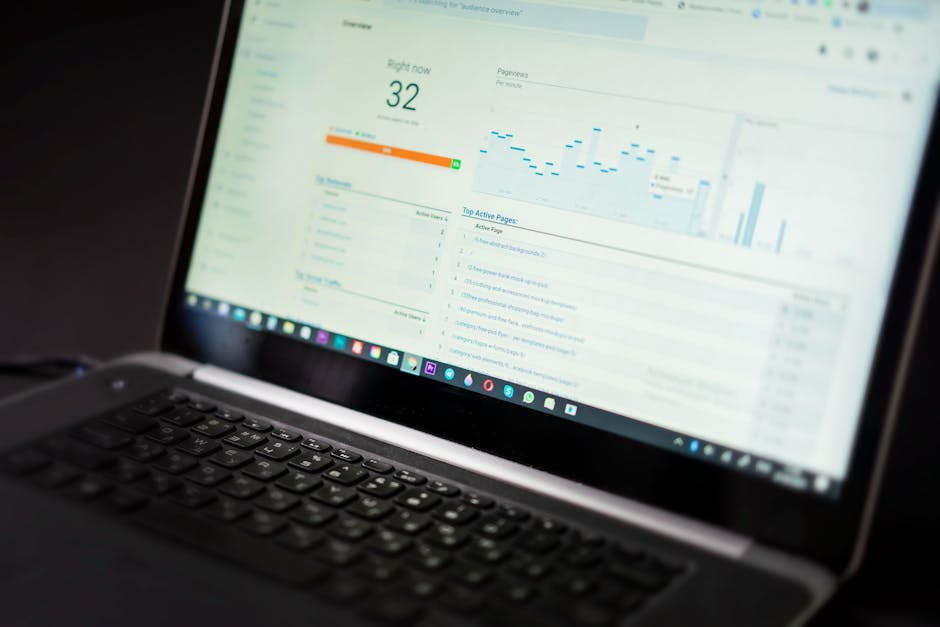
To rule out false alarms, you should cross-verify your tracking alerts across multiple platforms. You can check your configuration by opening Google Analytics 4 and monitoring the Realtime reports while actively visiting the site yourself to see if your activity registers. It is also common to experience a property definition mismatch inside Google Search Console if the configured URL protocol does not exactly match your live site, such as displaying HTTP instead of HTTPS. Furthermore, newly implemented user consent banners can block tracking scripts for users who choose to opt out, creating an artificial dip in your analytics reports.
When you are investigating a ranking drop, Google Search Console remains your absolute best source of truth because it reflects actual search database performance rather than third-party tracking estimates. You should expand the date range in your performance reports to look at the last three months of data to map out the exact timeline of your decline. This helps you analyze seasonal patterns and determine if the drop is localized to specific pages or if it is a site-wide issue. Once you have confirmed that your traffic decline is real and sustained, you need to ensure that Google has not actively blocked or penalized your domain.
Step 2: Checking for Manual Actions and Catastrophic Technical Issues
If the ranking drop is real, you must immediately check whether a human reviewer at Google has penalized your site directly. You can find this information by navigating to the “Security & Manual Actions” tab inside Google Search Console. If your property has been flagged for violations like explicit spam or unnatural link manipulation, an explicit alert will show up in this dashboard. Manual actions are rare for legitimate businesses, but they require you to resolve the specific violations and submit a formal reconsideration request, which typically takes two to four weeks to be reviewed.
If that section is completely clear, your issue is likely technical or algorithmic. A sudden ranking drop can frequently be traced back to global accessibility barriers that stop search engine bots from crawling your pages. For example, a development team might push a staging site live but accidentally leave an active “noindex” tag in the code, or misconfigure a “Disallow: /” command in the website’s robots.txt file. A single incorrect rule in your robots.txt file can completely de-index a local business website and wipe out your rankings within 48 hours.
You should also inspect your server logs for recurrent hosting failures, such as 403, 404, or 500 errors, which disrupt the crawling process. Additionally, verify that your site variations are properly set up in Search Console, including all https, http, www, and non-www variations, or ensure you are using a Domain property to cover all URLs. Submitting an updated XML sitemap file also helps search engine crawlers find and understand every page on your site. If your technical foundation is accessible, your ranking changes may instead stem from a broader algorithmic shift across the web.
Step 3: Analyzing Recent Google Algorithm Updates
Google adjusts its ranking algorithms thousands of times each year to improve the relevance and safety of its search results. However, major systemic updates, such as core updates, helpful content updates, or spam updates, can significantly alter search landscapes overnight. When these rollouts occur, unoptimised or outdated pages can experience a severe loss in visibility within a very tight window as Google re-evaluates web content globally.
To diagnose if an update is responsible, you can cross-reference the exact date of your traffic decline with the public Google Search Status Dashboard or reputable industry volatility trackers. If your keyword rankings drop suddenly while your direct traffic remains completely stable, your property has likely been impacted by an automated algorithmic shift. This indicates that Google’s automated systems have reassessed how well your content satisfies user intent compared to other available web resources.
Recovering from an algorithmic re-evaluation is different from fixing a simple technical bug because it requires a systemic improvement to your overall content quality, relevance, and trust. If no major global algorithm updates align with your specific traffic drop timeline, the decline may be the result of localized competitive maneuvers or natural content degradation on your own pages.
Step 4: Assessing Competitor Advancements and Content Decay
Search engine optimisation is an active, competitive environment, meaning your rankings are entirely relative to what other websites are doing. A sudden or gradual drop in visibility often means a direct competitor has simply stepped up their game and improved their website rather than you doing something wrong. If a local competitor enhances their backlink profile, expands their content depth, or upgrades their mobile user experience, they can push your pages down the search engine results pages.
Content decay is another major factor where older information slowly loses its competitive edge over time. Google prioritises fresh, accurate, and highly relevant resources, meaning that if your service pages or articles have not been updated with modern insights, search algorithms may favor newer guides. Shifts in your link ecosystem can also cause search layout expectations to evolve, making older formats less effective.
To evaluate this, you should analyze the top three ranking pages for your core target keywords. Look closely at the specific features, formatting choices, and depth of information they provide to identify qualitative gaps in your own content. For healthcare and other sensitive industries, Google evaluates content under strict “Your Money or Your Life” (YMYL) standards, meaning you must demonstrate clear Experience, Expertise, Authoritativeness, and Trustworthiness (E-E-A-T) by showcasing clear qualifications and author citations. Beyond on-page material, shifts in your link ecosystem can also trigger ranking losses.
Step 5: Inspecting Your Backlink Profile (Lost Links and Toxic Influxes)
A website’s off-page signal strength heavily influences how Google calculates its authority and trust. A sudden decline in rankings can sometimes follow the loss of high-value, authoritative referral links that were previously passing significant ranking power to your domain. You can monitor your link profile using dedicated backlink checking tools to detect recently lost connections, allowing you to reach out to referring site owners to attempt to reclaim them.
Conversely, a sudden influx of low-quality spam links can also destabilize your search visibility. While Google’s modern algorithms are highly sophisticated at ignoring automated link spam, an intense or malicious influx of toxic backlinks can occasionally cause search systems to reassess a domain’s trust profile.
When dealing with suspicious link activity, it is critical to handle the situation cautiously. The modern role of Google’s Disavow Tool is highly specific, and the tool is rarely needed because Google excels at automatically filtering out spam links without penalising your site. Misusing the disavow tool by accidentally blocking legitimate authority links can cause further self-inflicted ranking damage. With a complete understanding of your data, technical health, algorithms, content, and link profiles, you can construct an organized strategy to rebuild your search momentum.
Conclusion: Building a Resilient Recovery Strategy
Discovering a sudden drop in website traffic is undoubtedly stressful, but it serves as an important strategic signal to audit, refine, and improve your digital footprint. By systematically verifying your tracking data, checking for technical blocks, monitoring algorithmic timelines, and assessing competitor updates, you can build an effective recovery roadmap. Prioritising your fixes based on these diagnostic findings will allow you to address the highest-impact issues first, whether that means resolving an accidental “noindex” tag or refreshing decayed content.
Managing these technical parameters, keyword cannibalization issues, and core performance metrics requires ongoing attention and specialized expertise. If you would rather focus on running your business than spending hours analyzing crawl logs, tuning Core Web Vitals, or navigating complex search changes, that is exactly where we can help.
At Webberly, we align traditional search engine rankings with modern optimization frameworks to build resilient digital presences for Australian businesses. Our team helps diagnose hidden tracking errors, resolve indexing blockages, and format your web assets to ensure maximum visibility. If you want to stop the traffic bleed and outpace your competition, contact the team today to schedule a comprehensive technical and content health audit.

Hayu Son
SEO Consultant
Enjoying what you’re reading? Join our newsletter and get practical insights, proven strategies, and actionable tips to help grow your business online, delivered to your inbox every Saturday.
Looking for Affordable SEO?
Look no further. Full scale SEO done for you from $597. Book a time to chat!
Interested in Working Together?
Whether you’re looking for a professional website, better online visibility, or more efficient business systems, we’re here to help you build a stronger foundation for long term growth. We’d love to learn more about your business and where you want to take it.